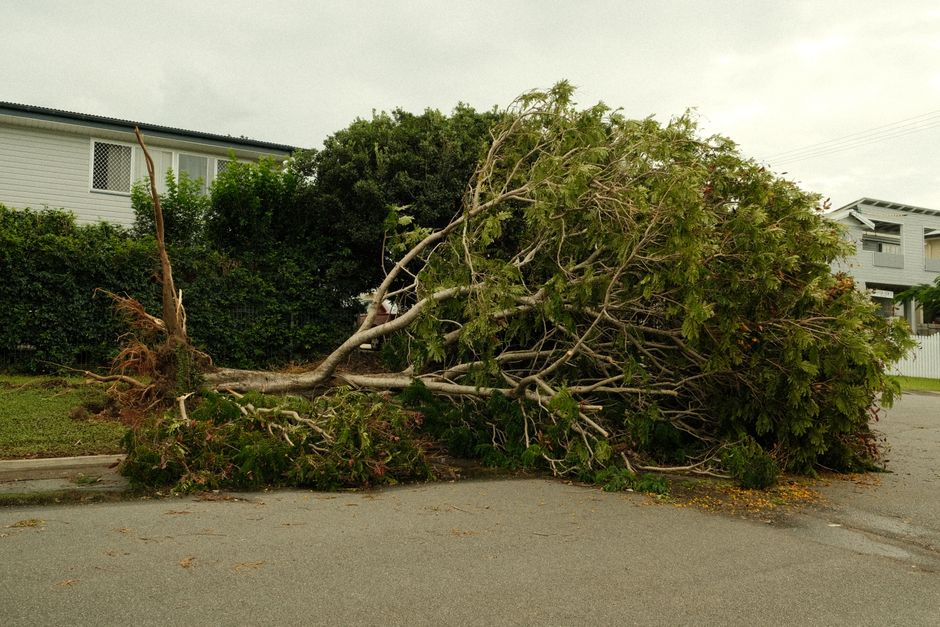
Same day gardeners in Eltham who handle emergency tree work
If a tree has split overnight, a branch is hanging over the drive, or a windstorm has left your garden looking a bit unsafe, speed matters. Same day gardeners in Eltham who handle emergency tree work are there for those awkward, time-sensitive jobs that cannot wait until next week. They help restore access, reduce risk, and get things back under control before the problem turns into a bigger one.
In practice, this kind of service sits between routine garden care and urgent tree intervention. It is not just about cutting things down quickly. It is about assessing what is unstable, what can be made safe, and what needs a proper follow-up. That distinction matters more than most people realise, especially when the tree is close to a fence, roof, footpath, or neighbour's boundary. Let's face it, when a tree goes wrong, it rarely does so politely.
This guide explains how emergency tree work works, who needs it, what to expect on the day, and how to choose a team that can act fast without cutting corners. You will also find practical steps, common mistakes to avoid, and a checklist you can use in a genuine emergency.
Why Same day gardeners in Eltham who handle emergency tree work Matters
Urgent tree problems are not the same as routine pruning. When a tree limb is cracked, a trunk is leaning after heavy rain, or debris is blocking access to a property, the main issue is safety and stability. Waiting can mean more damage, more cost, and more stress. In some cases, the risk is obvious. In others, it is the quiet kind that only becomes obvious after a gust of wind finishes the job.
For Eltham homeowners, landlords, and property managers, the value of a same day response is simple: it reduces exposure to immediate hazards. A fallen branch can damage vehicles, block pathways, or make a garden unsafe for children and pets. A split tree can drop more material without warning. Even if the tree does not fully fail, the leaning, snapping, and cracking can make you uneasy every time you look out of the window. That feeling is often justified.
There is also a practical side. The faster the site is assessed, the easier it is to protect lawns, paving, sheds, decking, and nearby planting. Emergency tree work does not only protect people; it often preserves the rest of the garden too. If you already know a site needs wider attention, it can be sensible to explore broader support such as tree lopping and removal or even follow-on garden clearance once the immediate danger has been dealt with.
Key point: same day emergency help is about making a situation safe quickly, then deciding what the proper longer-term fix should be. That order matters.
How Same day gardeners in Eltham who handle emergency tree work Works
Most emergency calls follow a fairly straightforward pattern, though the exact response depends on the tree, the weather, and how urgent the risk is. Usually, the process begins with a brief call or message describing what has happened. A good team will ask for the basics: what tree is affected, whether anything is hanging loose, whether there are power lines nearby, whether access is blocked, and whether anyone is in immediate danger.
From there, the first job is usually an assessment. Sometimes the solution is quick and simple: remove a snapped limb, clear a blocked path, or make a leaning section stable enough for safe access. Other times the job needs a careful staged approach because the branch has failed in a way that could shift under load. In those cases, speed still matters, but control matters more. No one wants a rushed cut where the branch tears away and takes part of the fence with it. Not ideal, to put it mildly.
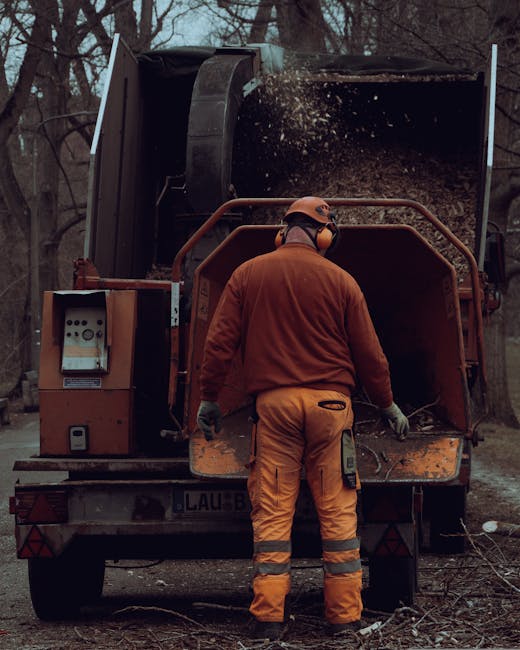
Same day gardeners who handle this kind of work often come with the tools needed for urgent trimming, reduction, sectional removal, or tidy-up after the dangerous part has been dealt with. Where the problem is more garden-wide than tree-specific, they may combine the response with other services such as hedge trimming, garden maintenance, or lawn mowing after the main hazard is removed.
The important thing is not just attendance speed, but decision speed. Good emergency work is a mix of calm judgement and practical action. You want someone who can arrive, read the scene, and do the least disruptive thing that actually solves the problem.
Key Benefits and Practical Advantages
There is a reason people search for urgent help rather than waiting for a routine booking. The benefits are real, and in a messy garden emergency they can be felt almost immediately.
- Fast risk reduction: dangerous branches or unstable sections are dealt with before they cause more damage.
- Safer access: driveways, paths, side returns, and garden gates can be reopened quickly.
- Less secondary damage: prompt action can protect roofs, sheds, fences, and nearby planting.
- Clearer next steps: once the urgent issue is contained, it is easier to plan proper tree management.
- Less disruption: same day attendance can stop a bad situation from taking over the whole day, or the whole weekend.
There is also a psychological benefit that people often underestimate. When a tree is obviously unsafe, the garden can stop feeling like a place to relax and start feeling like a hazard zone. A quick response restores confidence. You can open the door, let the dog out, or park the car without that constant glance upward. Small thing, maybe. But it matters.
For many properties, the best follow-up is not just a one-off cut. It may involve services overview planning so the garden is put back into a manageable condition, or adding in longer-term improvements through landscaping or landscape gardening once the emergency is behind you.
Who This Is For and When It Makes Sense
This service is not only for dramatic storm scenes. Plenty of emergency tree callouts in Eltham are more ordinary than that. A branch cracks after a windy afternoon. A tree starts leaning more than usual after saturated soil loosens the roots. A limb rests against a conservatory roof. Or maybe a neighbour spots something dangling over the boundary and no one wants to wait until it drops.
It makes sense for:
- homeowners with unsafe or obstructive tree growth
- landlords who need to make a property safe between tenancies
- letting agents managing urgent external hazards
- business owners who need access restored quickly
- older residents who cannot safely clear debris themselves
- families with children or pets using the garden daily
It also makes sense when the garden is part of a wider upkeep cycle. If the tree issue is a symptom of general neglect, the emergency job might be the first step in a broader tidy-up. That is where sensible maintenance planning comes in, and sometimes a conversation about routine care through garden maintenance prevents the same problem from coming back.
Ask yourself one question: if the weather changes again tonight, will this situation get worse? If the honest answer is yes, then same day help is probably the right move.
Step-by-Step Guidance
If you are dealing with urgent tree work in Eltham, a simple process keeps things calmer. Panic makes people overreact, under-explain, or try to move something unsafe. Better to slow the moment down just enough to handle it properly.
- Check for immediate danger. Keep clear of hanging branches, unstable trunks, and anything touching overhead cables. If there is a live electrical hazard, do not approach.
- Take a quick look from a safe distance. Note what has fallen, what is still attached, and whether access is blocked.
- Photograph the problem. This helps when explaining the issue and can be useful for later reference or insurance conversations.
- Make the area safe if you can do so without risk. For example, move cars away or stop people using the path. Do not attempt risky cutting.
- Contact a same day team. Be direct about the urgency, the location, and any access problems. Mention if children, pets, or vulnerable residents are involved.
- Wait for assessment. A good responder will tell you what they can do first, what can wait, and what should not be touched.
- Approve the immediate work. Focus on making the site safe. Fine detail work can come later if needed.
- Plan the follow-up. Once the danger has been dealt with, decide whether the garden needs tidying, removal, or longer-term care.
That is the clean version. Real life can be more chaotic. Sometimes you are answering a knock at the door while trying to keep the dog from barking at a pile of branches. Fine. The principle stays the same: safety first, then tidy-up.
Expert Tips for Better Results
A few small decisions can make a surprisingly big difference to the quality of emergency tree work. They also help the job go faster, which is exactly what you want when something is hanging in the balance.
- Describe the hazard plainly. Say whether the tree is split, leaning, blocking, or shedding branches. Vague descriptions slow everything down.
- Point out access routes. If the side gate is locked, the driveway is narrow, or the tree is in a rear garden, mention it early.
- Keep the site clear. Move ornaments, bins, toys, and vehicles if it is safe to do so.
- Ask what the first priority will be. A clear plan beats a guess. You want to know whether the immediate goal is reduction, removal, or stabilisation.
- Think beyond the branch. If the tree has damaged other parts of the garden, mention them. A broken fence or smashed border edging might need a separate pass.
One useful habit: keep a short note of the date, weather conditions, and what happened before the callout. Nothing fancy. Just enough to remember. When stress kicks in, details blur in a very annoying way.
And yes, it helps to ask about safety and insurance handling early as well. A professional team should be able to explain how they approach risk, site safety, and access. You can also review company policies such as insurance and safety and health and safety policy to understand their standards before a job goes ahead.
Common Mistakes to Avoid
Emergency tree situations tempt people into quick fixes. Some of those fixes are harmless. Others can turn a manageable job into a far worse one. Here are the big mistakes to avoid.
- Trying to cut high or tense branches yourself. If a limb is under strain, it can move unpredictably.
- Standing under the problem tree. Sounds obvious, but it happens more often than you would think.
- Ignoring a small split. A minor crack can become a bigger failure with the next gust.
- Waiting for "better weather" when the hazard is already active. If the problem is urgent now, delaying may only increase damage.
- Assuming every tree issue needs full removal. Not always true. Sometimes a controlled reduction or sectional cut is enough.
- Forgetting about the rest of the garden. Fallen timber can bury borders, compact turf, or crush planting if left too long.
Another common issue is calling someone who does general garden work but cannot actually handle an unstable tree safely. The work may look similar from a distance. It is not. Emergency tree work needs judgement, not just a pair of shears and a van.
Tools, Resources and Recommendations
You do not need to supply tools yourself, but it helps to understand what a capable emergency team may use. The exact toolkit varies, of course, but the aim is usually the same: make the job controlled, efficient, and tidy.
| Need | Typical approach | Why it helps |
|---|---|---|
| Hanging or split branch | Careful cutting and sectioning from a safe position | Reduces the risk of sudden movement |
| Blocked access | Prompt clearance and debris removal | Restores safe entry and exit |
| Storm damage cleanup | Branch removal, sorting, and tidying | Prevents further garden damage |
| Unstable tree section | Assessment first, then controlled intervention | Helps avoid accidental collapse |
| Follow-on tidy-up | Waste collection and general reset | Leaves the garden usable again |
Useful recommendations are often surprisingly simple. Keep a torch handy, especially in late afternoon or winter evenings when a lot of these calls happen. Save the contact details of a trusted local provider before an emergency happens. And if your garden is already due for wider attention, check whether related work such as tree lopping and removal or garden clearance would make sense after the immediate problem is solved.
If you are comparing providers, a clear page on pricing and quotes can also help set expectations before the day of the visit. Transparent communication is reassuring, especially when you are already dealing with a broken branch and a rather chaotic patch of lawn.
Law, Compliance, Standards, or Best Practice
Emergency tree work sits in a space where practical safety and careful judgement matter more than dramatic language. In the UK, you should always be cautious about working near overhead cables, boundary disputes, protected trees, and anything that could affect neighbours or the public. If a tree is near a wall, road, shared boundary, or utility line, it is sensible to pause and make sure the right level of care is applied.
Tree work is also one of those jobs where good practice is more important than bravado. A professional approach usually means assessing the site before cutting, using appropriate equipment, and working methodically rather than forcing a quick result. Where disposal and tidiness are involved, sustainability matters too. Some teams separate green waste for responsible handling and recycling where possible, which is why pages such as recycling and sustainability are worth checking if environmental handling matters to you.
As a customer, you do not need to be an expert in arboriculture or legal frameworks. But you do need to expect sensible questions: who owns the boundary tree, where the risk is located, whether access is safe, and what the urgent priority should be. If the answer seems rushed or vague, that is a signal to slow down and ask for clarification.
Best practice, in plain English, is this: make the area safe, avoid unnecessary damage, document what happened, and use a team that understands both the tree and the site around it.
Options, Methods, or Comparison Table
Not every tree problem needs the same response. Sometimes a full removal is appropriate; sometimes it is better to reduce the load, remove only the damaged section, or clear fallen material first and revisit the tree later. The right choice depends on the shape of the failure and the amount of immediate risk.
| Method | Best for | Strengths | Limitations |
|---|---|---|---|
| Emergency branch removal | Broken or hanging limbs | Fast, targeted, often the quickest safety fix | May not address deeper tree weakness |
| Sectional tree reduction | Large trees with unstable weight or overhang | Balances safety and tree retention | Needs careful judgement |
| Full tree removal | Severely compromised or hazardous trees | Removes the ongoing source of risk | More disruptive, may need more planning |
| Debris clearance only | Fallen material after the danger is gone | Restores usability quickly | Does not solve the root issue if the tree remains unstable |
There is no universal answer. The neat little truth is that the best option is often the least invasive one that still makes the site safe. That may sound obvious, but it saves people money and stress surprisingly often. If you are unsure, a provider that explains the difference clearly is usually worth more than one that promises everything will be "sorted" in five minutes flat.
Case Study or Real-World Example
Here is a realistic example from the kind of situation many Eltham residents face after strong wind and wet ground. A homeowner notices a large branch hanging low over a side path the morning after a storm. The branch is not fully detached, but it has split near the joint and is moving slightly in the breeze. The path leads to the rear garden and the bins, so it cannot simply be ignored.
The first step is keeping people away from the area. No one goes underneath it, and the car is moved clear just in case the branch gives way later. A same day gardener arrives, assesses the split, and confirms that the branch needs careful sectional removal rather than a random chop from ground level. That makes all the difference. The branch is taken down in controlled sections, the path is cleared, and the remaining tree is left stable enough for later review.
By the end of the visit, the garden is usable again. The homeowner is no longer staring out of the kitchen window wondering if the next gust is going to finish the job. A follow-up maintenance plan is suggested for the rest of the tree line, because the storm damage was partly a sign that the canopy was getting top-heavy. Not glamorous work, but effective. Which is really the point.
Practical Checklist
Use this checklist if you need urgent help and want to stay calm and organised.
- Keep everyone away from the hazard zone.
- Check for overhead cables before moving closer.
- Take photos from a safe distance.
- Note whether the tree is leaning, split, cracked, or blocking access.
- Move vehicles only if it is safe to do so.
- Close gates or paths that people might use by mistake.
- Contact a same day team and explain the urgency clearly.
- Ask what will be made safe first.
- Confirm whether debris removal is included or separate.
- Save any notes, photos, and follow-up details for later reference.
Expert summary: the best emergency tree response is fast, calm, and controlled. It makes the site safe first, then deals with the tidy-up and longer-term planning once the risk has come down.
Conclusion
Same day gardeners in Eltham who handle emergency tree work fill a very practical need: they help people deal with sudden hazards quickly, safely, and with as little disruption as possible. Whether it is storm damage, a split branch, blocked access, or a tree that simply looks one gust away from becoming trouble, the goal is the same - restore safety and stop the problem from escalating.
The best outcomes usually come from clear communication, sensible prioritising, and a team that understands both garden care and urgent tree risk. If the immediate danger is handled well, the rest of the garden can be repaired, maintained, and improved with far less stress. And that, honestly, is a relief when the wind has been howling all night and the garden looks a bit defeated in the morning.
Get a free quote today and see how much you can save.
If you want to understand the wider range of help available after an urgent tree issue, it is worth reviewing the service overview and learning more about the team behind the work on about us. When you are ready to talk through a problem, the contact page is the obvious next step.
Frequently Asked Questions
What counts as an emergency tree job?
An emergency tree job is any situation where a tree or large branch creates immediate risk, blocks access, or could cause damage if left until later. Common examples include storm damage, a split limb, a fallen branch, or a tree leaning in a way that feels unstable.
Can same day gardeners in Eltham really deal with tree work on the same day?
Often, yes. If the issue is urgent and access allows it, a same day team can usually attend to assess the problem, make the site safe, and carry out the immediate work needed. The exact timing depends on workload, weather, and the nature of the hazard.
Should I try to cut the branch myself before help arrives?
Usually not, especially if the branch is hanging, under tension, or close to power lines, roofs, or fences. Cutting in the wrong place can make the failure worse. It is safer to keep people away and wait for proper assessment.
What information should I give when I call?
Keep it short but clear: what happened, where the tree is, whether anything is blocking access, and whether there are obvious dangers like cables or unstable limbs. A couple of photos from a safe distance can also be helpful.
Is emergency tree work the same as tree removal?
Not always. Emergency work may involve making the tree safe by removing only the damaged section or reducing dangerous weight. Full removal is sometimes needed, but it is not the automatic answer every time.
What if the tree is on the boundary with a neighbour?
Boundary trees can be awkward, to be fair. The safest approach is to make the immediate hazard clear, avoid unapproved action on shared property, and speak to the provider about the situation. If needed, note where the trunk and overhanging branches are located.
How do I know if the tree is dangerous enough to call now?
If the tree is visibly split, leaning more than usual, dropping large branches, or affecting access to the property, it is sensible to call sooner rather than later. If you are unsure, treat it as urgent and ask for a quick assessment.
Will emergency tree work leave the garden messy?
It depends on the job, but a good team should leave the area as tidy and safe as possible once the hazard is dealt with. If there is a lot of debris or broader garden damage, follow-up clearance may be needed.
What happens after the immediate danger is removed?
After the urgent issue is dealt with, the next step is usually a review of the remaining tree and the surrounding garden. That might mean general tidying, planned maintenance, or a longer-term decision about tree lopping, pruning, or removal.
How can I reduce the chance of this happening again?
Regular garden upkeep helps a lot. Healthy trees are less likely to fail unexpectedly, and problems are easier to spot early when the garden is maintained. Routine care through services like garden maintenance and occasional tree checks can prevent a last-minute scramble later on.
Do I need to be home for the visit?
It is usually best if someone is available, especially for access and to confirm the problem area. That said, if arrangements are made in advance and the site can be accessed safely, the provider may be able to proceed without a full on-site handover.
What should I look for in a provider?
Look for clear communication, a sensible approach to safety, and a willingness to explain what is urgent and what can wait. It also helps if the company is transparent about insurance, safety practices, and pricing expectations before the work starts.