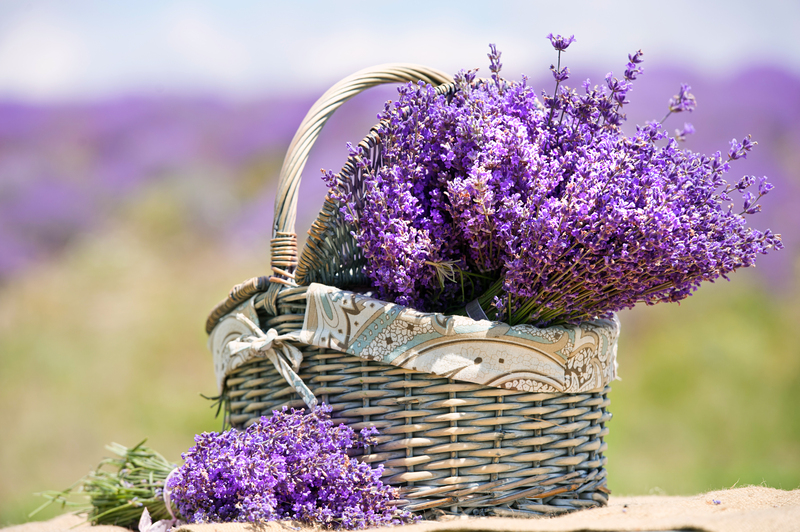
Bring Privacy and Elegance Together with Carefully Chosen Tall-Potted Plants

If you've ever wished your balcony felt more secluded, or your living room had that calm, green hush of a boutique hotel, you're in the right place. Tall planters with thoughtfully selected plants are one of the simplest ways to create privacy without losing light or style. They soften edges, mute noise, and--let's be honest--make a small city space feel surprisingly serene. To be fair, the right pot and plant can transform a room faster than new paint. In this guide, we'll help you bring privacy and elegance together with carefully chosen tall-potted plants--beautifully, safely, and with long-term ease.
Table of Contents
- Why This Topic Matters
- Key Benefits
- Step-by-Step Guidance
- Expert Tips
- Common Mistakes to Avoid
- Case Study or Real-World Example
- Tools, Resources & Recommendations
- Law, Compliance or Industry Standards (UK-focused)
- Checklist
- Conclusion with CTA
- FAQ
Why This Topic Matters
Privacy isn't just a nice-to-have; it's part of your wellbeing. When you can sit on a balcony or by a window without feeling on display, your home feels safer and calmer. Tall potted plants offer a uniquely elegant solution because they provide a vertical screen that still breathes and moves. Think dappled light, gentle rustle, subtle scent. And unlike rigid fencing, you can rearrange planters in an afternoon--no planning permission, no major tools. That's why so many people in UK homes, especially flats with balconies or terraces, are choosing to bring privacy and elegance together with carefully chosen tall-potted plants.
There's also a sustainability angle. Plants actively improve air quality indoors, help buffer noise, and support urban biodiversity outdoors (pollinators love the right flowers). In a world of over-bright screens and echoey rooms, they soften everything--visually and acoustically. Clean, clear, calm. That's the goal.
Little story: A client in Southwark once told us the moment her clumping bamboo went in, she exhaled properly for the first time in months. The wind flicked the leaves; her neighbour's window view faded to a gentle blur. Ending the day in that corner chair became a ritual.
Key Benefits
Here's what you gain when you choose taller plants in properly scaled planters:
- Instant, movable privacy: Create a green screen in a day; tweak positions seasonally or for parties.
- Elegant height and structure: Vertical lines make spaces feel taller and more intentional--especially important in narrow terraces and small gardens.
- Better acoustics: Leaves and stems scatter sound. You'll notice the echo drop indoors and traffic noise soften outdoors.
- Improved wellbeing: Numerous studies link indoor plants with reduced stress and improved productivity. You feel it--the air, the light, the whole mood.
- Microclimate control: In summer, tall foliage creates light shading; in winter, deciduous choices allow more sun through.
- Seasonal interest: Pick mixes that offer year-round beauty--evergreen structure, spring blossom, autumn colour.
- Low-commitment changes: Renters love planters; you can take them with you. And you can trial different arrangements without builders.
- Design cohesion: Matching planters tie spaces together--front door, patio, balcony--creating a sense of calm order.
And when done right, you genuinely bring privacy and elegance together with carefully chosen tall-potted plants. One complements the other. No compromise.
Step-by-Step Guidance
This is your practical roadmap--from choosing planters and plants to positioning, planting, and maintenance. You'll be set for success, and your neighbours will ask how you made it look so effortless.
1) Start with your space and light
- Measure: Width, length, and heights that matter (railings, windows, sightlines). Sketch a quick plan.
- Light audit: Is it full sun, part shade, or deep shade? Balcony aspect matters in the UK: south and west can cook in July; north and east stay gentler.
- Wind: Upper floors can be windy. Choose wind-tolerant species and heavier planters or weight them safely.
- Water access: Can you run a drip line or will you water by hand? Be honest--summer dries pots fast.
Micro moment: It was raining hard outside that day, and we stood under a small awning, watching where the drops fell. That's how we noticed a perennial dry patch--exactly where the client wanted to put a thirsty fern. Saved us trouble later.
2) Choose planter size and material
- Size: For tall screening, planters of 60-100 cm height and at least 35-45 cm internal width are a good starting point. Bigger root volumes equal happier plants and fewer waterings.
- Material:
- Fibreglass/GRP: Light, strong, modern, frost-resistant.
- Corten steel: Architectural, weathers to a stable rust patina--just mind run-off staining initially.
- Timber (with liner): Warm look; ensure rot-resistant species and breathable liners.
- High-quality plastic: Lightweight and good for balconies; choose UV-stable.
- Terracotta: Beautiful but heavy and porous--fantastic for roots, but watch winter frost.
- Drainage: Must have drainage holes. Use feet/risers so water can escape. Indoors, add saucers or waterproof trays.
3) Pick plant species for height and privacy
Here are reliable winners in UK conditions for creating privacy and elegance together with carefully chosen tall-potted plants:
- Clumping bamboo (Fargesia spp.): Graceful, evergreen, non-invasive. Great on balconies. Avoid running types (Phyllostachys) unless you're experienced and contain roots impeccably.
- Italian cypress (Cupressus sempervirens): Slim, architectural columns. Likes sun and drainage. Fantastic against modern facades.
- Bay laurel (Laurus nobilis): Edible leaves, glossy evergreen, can be trained into cones or columns.
- Olive (Olea europaea): Silvery evergreen; tolerates heat and wind. Choose a slightly larger pot than you think--olives dislike cramped, soggy roots.
- Photinia 'Red Robin': Evergreen with vibrant red new growth. Takes shaping well for screens.
- Hardy banana (Musa basjoo): Lush, tropical impact; leaf tears in wind can be sculptural. Needs feeding, water, and some winter protection in colder spots.
- Cordyline australis: Strappy foliage, architectural height. Ideal in coastal areas; mind cold snaps inland.
- Miscanthus sinensis (ornamental grass): Tall, graceful plumes in late summer. Deciduous, so less screening in winter but gorgeous movement and sound.
- Star jasmine (Trachelospermum jasminoides) on a trellis in a tall planter: Evergreen climber, fragrant summer flowers. Elegant, classic.
- Dwarf conifers (e.g., Thuja, Taxus cultivars): Slow, structural, excellent in formal arrangements.
Tip: Mix evergreen backbone plants with seasonal stars. That way, you keep screening year-round, with bursts of seasonal delight.
4) Soil mix and planting technique
- Choose a premium container mix designed for pots--free-draining but moisture-retentive. Blend 60-70% peat-free container compost with 20-30% horticultural grit or perlite and 10% mature compost.
- Slow-release fertiliser at planting sets you up for the first season.
- Drainage layer? Usually not needed if your mix drains well and there are proper holes, but pot feet are a must outdoors.
- Planting depth: Keep the crown at the same level it was in the nursery pot. Don't bury stems.
- Mulch: 3-5 cm of bark, gravel, or decorative pebbles reduces evaporation and looks tidy.
Micro moment: You could almost smell the cardboard dust in the air as we unboxed a batch of olive trees--everyone stopped when the silvery leaves caught the afternoon light. Even before the soil was in, the mood shifted.
5) Watering, feeding, and staking
- Water deeply: In summer, big pots often need watering every 2-3 days; heatwaves may demand daily checks. Test with your finger down 5-7 cm.
- Irrigation: A micro-drip kit on a timer is a lifesaver for busy weeks or holidays.
- Feeding: Use slow-release granules in spring; supplement with a balanced liquid feed monthly from April-August for hungry species like bamboo or banana.
- Staking: Tall stems and young trees may need discreet stakes, especially in windy exposures. Use soft ties; check tension twice a year.
6) Placement for privacy and design
- Layer heights: Place tallest at the back/edge, mids at middle, fillers at front. You're painting with heights.
- Angles: A staggered zig-zag arrangement blocks lines of sight better than a strict straight line.
- Thresholds: Create "green thresholds" near doors or seating--cosy without feeling boxed in.
- Sightline test: Sit where you actually sit; have someone move pots until the neighbour's view is gone. Simple and oddly satisfying.
7) Winter and storm care
- Wind: Group planters, tuck them in corners, and use heavier bases or concealed ballast when needed.
- Frost: Protect vulnerable species with fleece; raise pots on feet to prevent freezing water damage.
- Pruning: Late winter/early spring is best for structural pruning on many evergreens and grasses (check species timings).
Truth be told, the first winter is when you learn the site's quirks. By spring two, you'll feel like a pro.
Expert Tips
- Think in vertical rhythms: Repeating three similar tall forms (e.g., Italian cypress) creates calm order; punctuate with one statement pot for character.
- Mix foliage textures: Fine (bamboo), broad (banana), and glossy (bay) together look richer than a single type.
- Plan for maintenance time: If you travel often, prioritise drought-tolerant evergreens and drip irrigation. You'll thank yourself in August.
- Colour restraint: A tight palette for pots--charcoal, soft clay, or muted stone--makes the plants shine. Minimal visual noise.
- Sound matters: Grasses by seating are not just beautiful--they whisper in the breeze. Small detail, big feel.
- Scent maps: Place star jasmine or lavender where you pass by; scent catches you at the doorway when it's warm. A tiny luxury.
- Weight and safety: Always consider the load-bearing capacity of balconies/terraces and wind exposure; safety first, then style.
Yeah, we've all been there--falling for a gorgeous but thirsty plant. Be kind to future-you.
Common Mistakes to Avoid
- Undersized planters: Roots bake and dry; plants sulk. Go bigger than you think--especially for bamboos and small trees.
- Poor drainage: Waterlogged roots equal sudden plant collapse. Use pot feet, check holes, and choose proper mix.
- Wrong species for the light: Shade-loving plants in full sun will crisp; sun lovers in deep shade stretch and flop.
- Ignoring wind: Tall foliage becomes a sail. Stake smartly and choose wind-tough plants or sheltered positions.
- Overcrowding: It looks lush at first, then turns into a maintenance tangle. Leave room to grow; edit yearly.
- No feeding plan: Containers don't replenish nutrients like soil. Add slow-release feed annually and top-up in season.
- Choosing invasive runners: Running bamboo or aggressive rhizomes in containers can still cause issues. Choose clumping varieties or robust barriers.
- Forgetting practical access: You'll need to water, prune, and sweep. Leave paths and reach.
Ever tried clearing a room and found yourself keeping everything? The same happens with plants--be a gentle curator, not a hoarder.
Case Study or Real-World Example
Project: A fourth-floor London balcony, 4.2 m x 1.3 m, south-west facing, overlooked by two neighbouring flats.
Objectives:
- Create privacy without blocking sunset light.
- Keep maintenance low (client travels two weeks at a time).
- Ensure balcony load safety and wind stability.
Solution:
- Planters: Four 90 cm fibreglass troughs in charcoal, elevated on 2 cm feet, lined with geotextile.
- Soil: Peat-free container mix with 25% perlite, slow-release fertiliser.
- Plants:
- Two troughs with Fargesia clumping bamboo (5L specimens, three per trough) for evergreen privacy and movement.
- One trough with star jasmine on a slim trellis for scent by the seating area.
- One trough mix: olive tree (standard), underplanted with trailing thyme and silvery Helichrysum.
- Irrigation: Micro-drip on a battery timer with a discreet hose run from kitchen tap adapter.
- Wind: Bamboo and trellis fixed with concealed brackets to planters; olives staked with soft ties.
Outcome: Privacy from day one; by month four, the bamboo had filled out, neighbours became a soft suggestion rather than a presence. Watering and feeding were automatic. The client sent a message at 8:37 pm one warm Thursday: "Sunset, jasmine, a glass of cold white wine. Feels like a small holiday." That's when you know you truly bring privacy and elegance together with carefully chosen tall-potted plants.
Tools, Resources & Recommendations
- Planters: Look for frost-resistant fibreglass or powder-coated steel with warranty. Check for UV-stable finishes.
- Irrigation kits: Micro-drip systems with inline pressure reducers; set timers for early morning watering.
- Soil and amendments: Peat-free premium container compost; perlite or horticultural grit; slow-release fertiliser; mulch (bark or decorative stone).
- Tools: Hand trowel, secateurs, rubber mallet (for trellis fitting), watering can/hose with fine rose, moisture meter (optional but helpful).
- Stability: Pot feet/risers; discreet anchoring brackets for trellised planters; soft plant ties; weights/ballast if necessary.
- Trusted species list (UK-friendly): Fargesia bamboos, Trachelospermum jasminoides, Laurus nobilis, Olea europaea, Photinia, Miscanthus, Cordyline, dwarf Taxus/Thuja, Nandina domestica, Acer palmatum (in sheltered spots).
- Inspiration sources: RHS plant database, British Association of Landscape Industries (BALI) guidelines, landscape magazines, and local garden centres (go early; chat with growers--they've seen it all).
Small aside: The best tip we ever picked up came from a nursery owner with soil under his nails--he said, "Plants will tell you. Look daily." Simple, but gold.
Law, Compliance or Industry Standards (UK-focused if applicable)
When you set out to bring privacy and elegance together with carefully chosen tall-potted plants, keep an eye on safety and local regulations. A gentle overview:
- Balcony and terrace load capacity: Structural loading for balconies is governed by standards such as Eurocode 1 (EN 1991) and relevant UK National Annexes. Actual load limits vary by building. Always consult your building manager or a structural engineer before placing heavy planters--wet soil is heavy.
- High hedges and boundary heights: The UK's Anti-social Behaviour Act 2003 (High Hedges) can apply if evergreen screens exceed a reasonable height and cause loss of light to neighbours. In practice, be considerate: keep screens proportionate and discuss plans early.
- Invasive species: Under the Wildlife and Countryside Act 1981, certain species are controlled; don't plant invasive species that could escape or cause nuisance. With bamboo, prefer clumping types, and ensure responsible containment.
- Fire safety: In multi-residence buildings, management may restrict combustibles on balconies. Dry foliage and wooden planters can be a risk in heatwaves. Keep clear of ignition sources and follow building policies.
- Water run-off: Ensure planters drain into appropriate areas. Avoid creating slip hazards on shared walkways. Use trays or channel water responsibly.
- Manual handling: HSE guidance applies--large planters are heavy and awkward. Use trolleys, team lifts, or professional help. Protect your back; one wrong lift can ruin a weekend.
- Planning permission: Typically not required for movable planters, but permanent fixtures, screens, or changes to listed buildings may need consent. When in doubt, check with your local authority.
It's not red tape for the sake of it. It's about safety, respect, and long-term enjoyment.
Checklist
Use this quick checklist to ensure you're on track:
- Measured the space and assessed light/wind.
- Confirmed balcony/terrace load capacity or sought advice.
- Selected planters 60-100 cm tall with proper drainage.
- Chosen species matched to light and exposure.
- Prepared a peat-free, free-draining soil mix with slow-release feed.
- Set up irrigation or a clear watering routine.
- Added mulch and pot feet; checked run-off.
- Staked tall plants and secured trellises safely.
- Planned seasonal pruning and winter protection.
- Considered neighbourly sightlines and high hedge etiquette.
Ever looked at a finished corner and felt oddly proud? You'll get that here.
Conclusion with CTA
When you bring privacy and elegance together with carefully chosen tall-potted plants, you're not just hiding views--you're building atmosphere. A quiet boundary; a soft soundscape; a daily cue to breathe. Whether it's clumping bamboo whispering on a breezy balcony, or a slender cypress trio framing your patio, the effect is instant and deeply human. You deserve that little daily exhale.
Get a free quote today and see how much you can save.
And if you try one planter first, that's fine. Start small, notice what changes, and let the space tell you what it wants next. Sometimes the best rooms grow like a good garden--steady, thoughtful, alive.
FAQ
What are the best tall potted plants for privacy on a windy UK balcony?
Choose wind-tolerant evergreens with flexible stems: clumping bamboos (Fargesia), Photinia 'Red Robin' (in larger planters), Cordyline, and star jasmine on sturdy trellis. Stake young trees and anchor planters if needed.
How big should my planters be for tall plants?
For reliable screening, aim for 60-100 cm tall planters with at least 35-45 cm internal width. Bigger is usually better: more soil equals better moisture retention and root health.
Can I use bamboo without it becoming invasive?
Yes--choose clumping varieties like Fargesia, not running types like Phyllostachys. Even then, use substantial planters, quality soil, and annual root checks. In small spaces, clumpers are your friend.
How do I water tall potted plants if I travel?
Install a micro-drip irrigation kit with a timer, set for early mornings. Add mulch to reduce evaporation. For short trips, a trusted neighbour plus a clear watering note works surprisingly well.
Will tall planters damage my balcony?
They won't if you respect structural load limits and drainage. Confirm capacity with your building manager or an engineer, raise planters on feet, and use saucers or trays to manage run-off.
What's the easiest evergreen for year-round screening?
Clumping bamboo is hard to beat for movement and density. Bay laurel, Photinia, and certain dwarf conifers also provide reliable evergreen structure in containers.
Do I need special soil for containers?
Yes. Use a premium peat-free container mix with added perlite or grit for drainage. Garden soil compacts and suffocates roots in pots--avoid it for long-term success.
How do I prevent pots from blowing over?
Use heavier planters, group them, and keep tall foliage pruned judiciously. Stake young trees, anchor trellises, and consider concealed ballast if your site is very exposed.
Are there legal limits on plant height for privacy screens?
While portable planters typically avoid formal limits, the UK's High Hedges provisions can apply if evergreen screens cause serious light loss to neighbours. Keep proportions reasonable and talk to neighbours early.
What's a stylish plant combo for a small terrace?
Try a trio: olive (feature tree) + clumping bamboo (screen) + star jasmine on a slim trellis (scent). Keep pots in a unified colour like charcoal or warm stone for elegance.
How often should I feed tall potted plants?
Apply slow-release fertiliser in spring, then liquid feed monthly from April to August for hungry species. Ease off in autumn to prevent soft late growth before winter.
Can I get the same effect indoors?
Absolutely. Use tall planters with rubber-backed saucers: Ficus lyrata, Schefflera, Dracaena, or tall Sansevieria clusters create privacy nooks and soften acoustics inside.
Will tall plants block all my light?
They don't have to. Choose airy forms (bamboo, grasses) or raise planters on low stands to allow light under foliage. Place denser plants to the sides rather than directly in front of windows.
What's the quickest way to get instant screening?
Buy slightly larger, well-rooted specimens (not tiny starter plants) and plant densely--but not overcrowded. Combining 2-3 established bamboos per trough gives rapid coverage without headaches.
How do I keep it looking elegant, not cluttered?
Limit pot colours to one or two, repeat plant types for rhythm, and edit yearly. Simplicity reads as elegance--less but better.
One last thought: spaces that feel good nudge us to slow down, to look up, to breathe. Plants do that, quietly. Let them.